Apart from the regular activities, CIMR implemented a number of projects with focus groups in Thiruvananthapuram district, whole of Kerala and whole of India. The details of a few important projects implemented by CIMR is given below:
Panchayat, as the local government system, is the basic and most important structure to create awareness and prompt action for any common cause. Fr. Felix’s interaction with this structure paved way to develop a new collaboration and networking at the grass root level. He started several awareness and training progammes connecting various panchayats in the districts of Trivandrum, Ernakulam and Alappuzha. Several of these centres are later converted into Buds special school.
A major breakthrough of CIMR is the implementation of the National Project to integrate intellectually challenged with family and community during 1998 – 2000 covering 23 States across the country and by reaching 40,386 families. The project was supported by the Union Ministry of Social Justice and Empowerment. The pilot project which was implemented in 6 states reached out 10,000 families though the original target was only 7500 while the second phase reached out 30,386 families in 23 States and union territories. Thus, the National project has reached out to 40,386 families of the intellectually challenged in 23 States in the country.
This project was inaugurated by the then Prime Minister of India Shri A.B. Bajpei. The project involved in identifying the intellectually challenged children in the project areas, educating them with special education tools and integrate them with family and community through creating awareness to the family members. The pilot project was evaluated by the National Institute for Mentally Handicapped (NIMH) which acknowledged and appreciated the effectiveness of the program in bringing about attitudinal changes in the minds of the members of the family and the community.
While conducting the National Project in order to create awareness and help parents in the training of their intellectually challenged children, CIMR prepared and distributed Learning Tools which include Teaching material, “Home a School” book etc. The book is published in 11 Indian languages. This Hand Book can be used even by illiterate mothers for teaching their children in home environment.
CIMR experimented a different approach with a view to reach out to all the children with disabilities of a neighborhood through the Anganwadi Workers with a view to “catch the intellectually challenged children at their childhood.” This project was implemented at Thiruvananthapuram District in Kerala State with the support from the Department of Social Justice, Government of Kerala. The objective of the program was to improve the skills of Anganwadi workers in identifying the intellectually challenged children in their neighborhood area and to integrate at the earliest with the normal children.
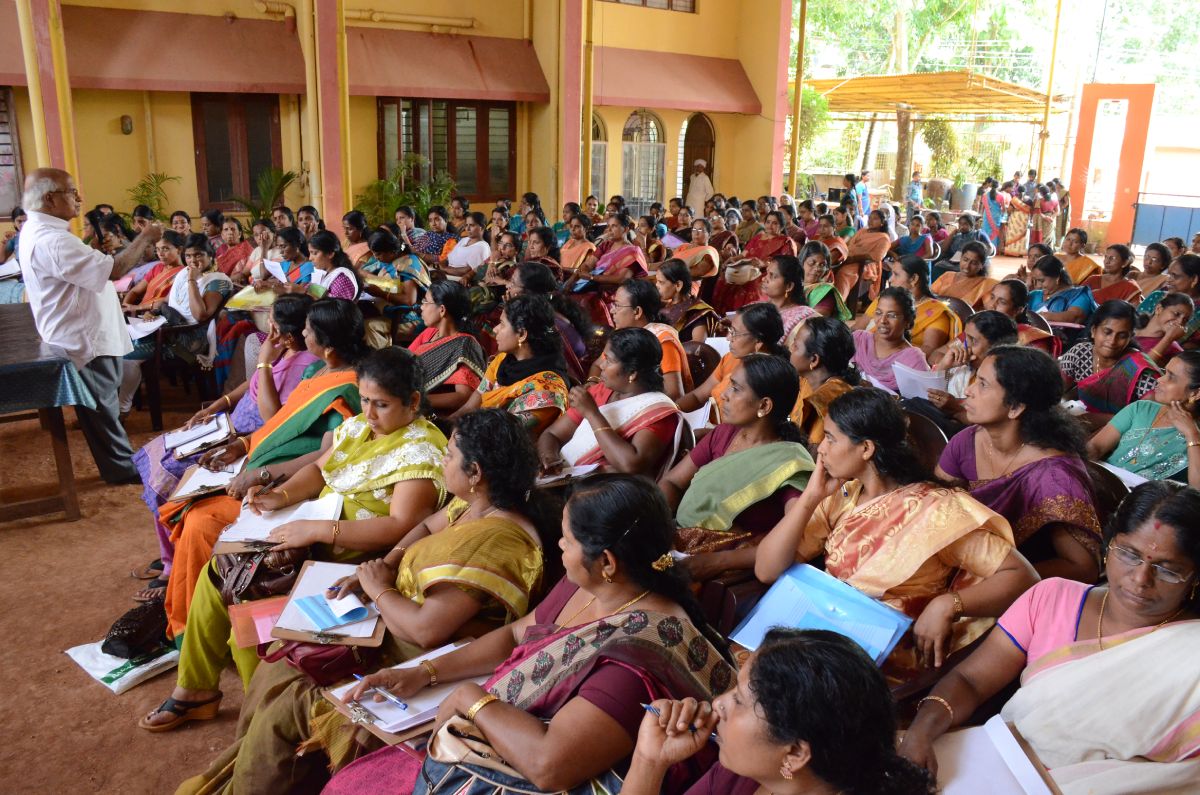
As part of this program, special training was imparted to Anganwadi teachers of the entire Thiruvananthapuram District (covering 75 Grama Panchayaths, 3 Municipalities and 1 Corporation). It was a comprehensive program on intellectual disability for 10 days. 3061 Anganwadi Workers underwent training in 32 batches. As an outcome of the training, the Anganwadi Workers identified 8539 intellectually challenged, out of which 1206 were in the age group of 0-6 years. Also, the Institute imparted special training to the mothers, the primary care takers, of all these 1206 children to create awareness on intellectual disability and the need for integrating their children to the family and community.
The significant aspect of this program was to identify and mobilize the intellectually challenged children to the Anganwadi, who otherwise will remain within the four walls of their homes as the parents are unaware of the importance of integration process.
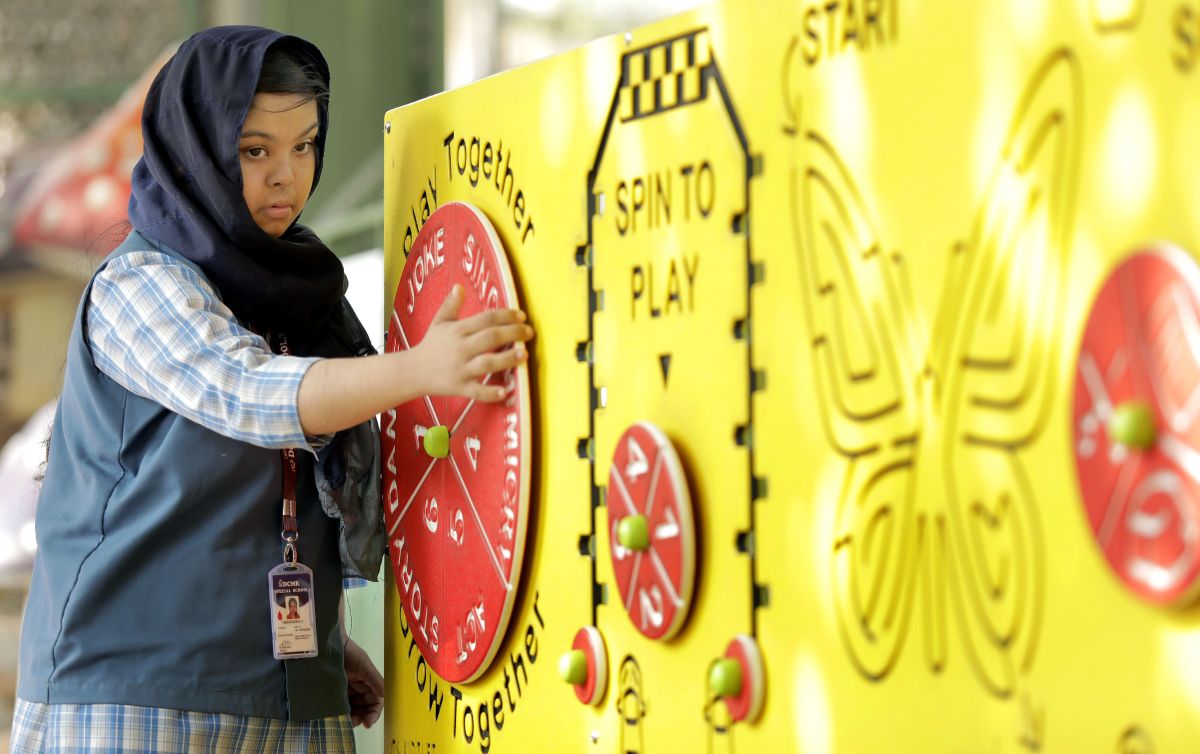
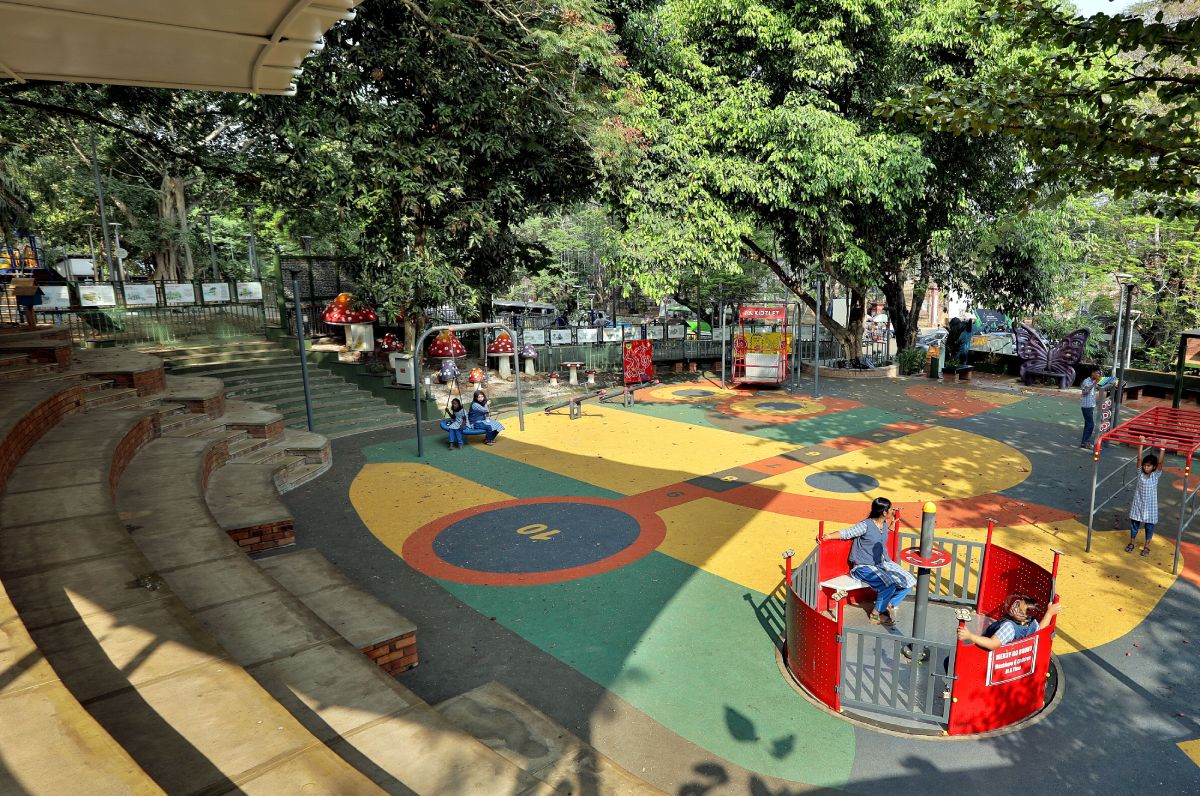
Recently CIMR implemented a project of constructing an inclusive park, a part of Captain Laxmi Park maintained by Thiruvananthapuram Corporation. A portion of this park was made inclusive where the wheel chair users also can easily use the space and facilities. The specialty of this park is that it is made accessible for all, activities are arranged for all, including people with disabilities, seating facilities, drinking water kiosk, EPDM flooring which ensures the safety of the children, waiting area for the parents, accessible toilet etc. The position and facilities of the park attract people to this space in good number. This park is made with the CSR support from Allianz Services.

At present CIMR is implementing a project for providing vocational training to the adults with intellectual disabilities. After the completion of the training, eligible candidates will be given placement and others will be engaged in the sheltered workshop that we are planning to start. The students are given training in tailoring, paper recycling and hand made paper units, agriculture, computer data entry and craft making. This training programme is implemented with the financial support from Azim Premji Foundation.
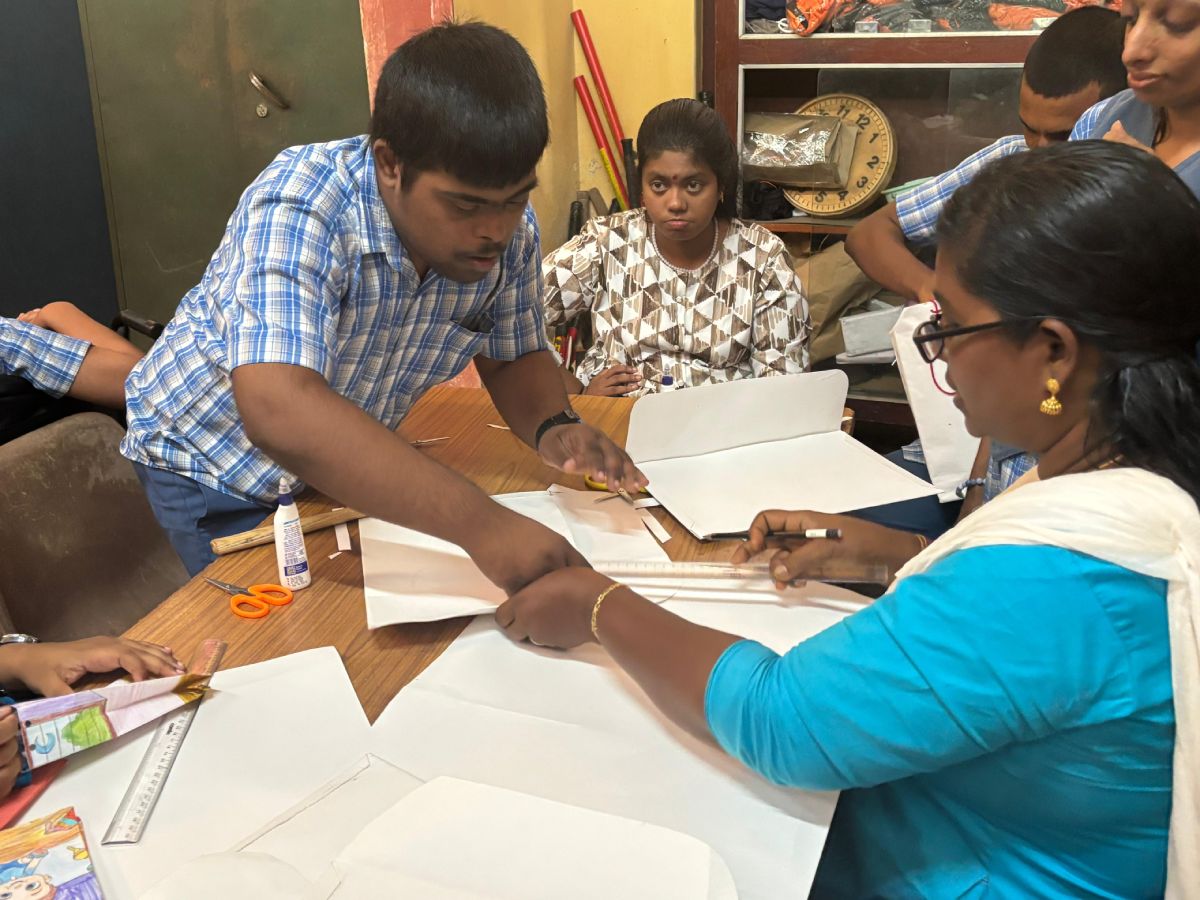
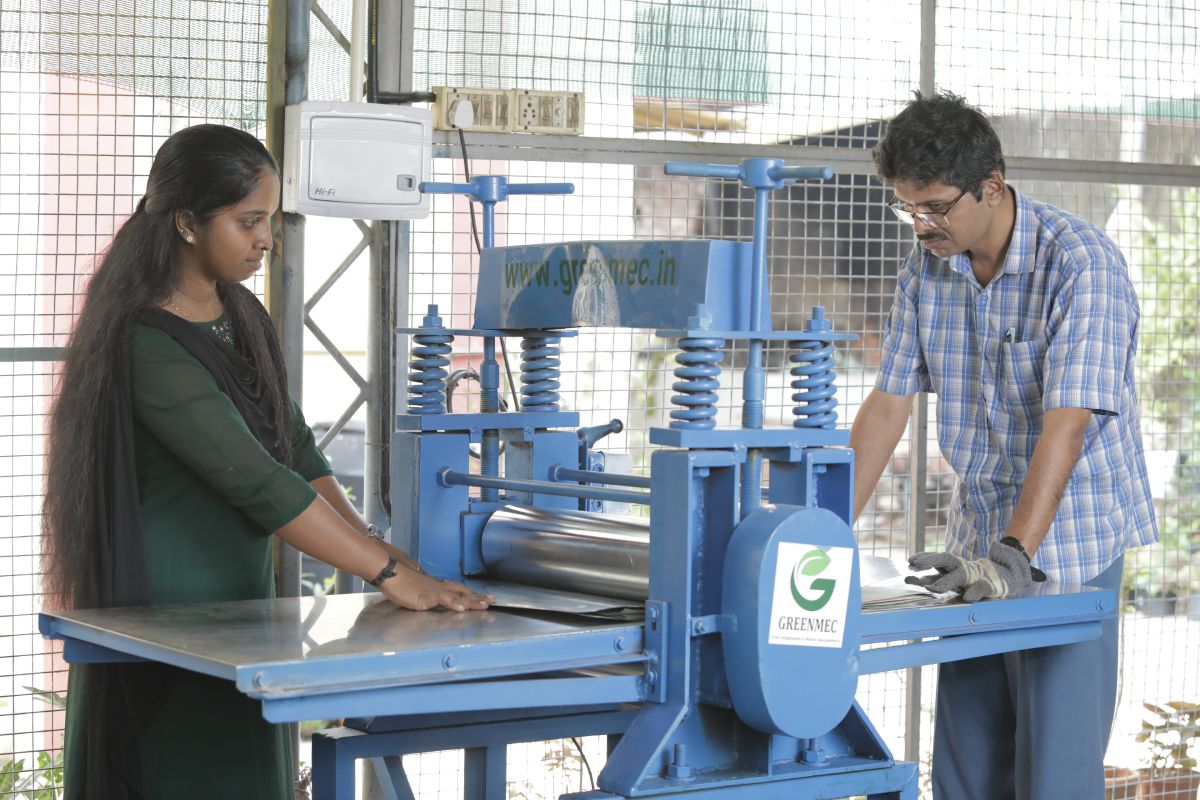
Hand made paper making is part of the vocational training programme to find employment for the intellectually challenged persons. Used waste paper, water hyacinth, cotton rags etc. are used to make pulp from which hand made papers are made. These papers are used to make paper carry bags, envelopes etc. which can be sold out in the market. Machines for making pulp and other necessary machines are installed and the process is already started to make hand made paper.